Sewage Backup Cleanup in Lake Dallas, TX
Sewage is Category 3 water from the first minute, and it carries bacteria into anything porous it touches. In Lake Dallas, where LCMUA collects wastewater through 22 lift stations and 625 manholes, the crew contains the area, removes soaked materials and treats and dries what remains.
(888) 527-9134Sewage coming up? Call for the cleanup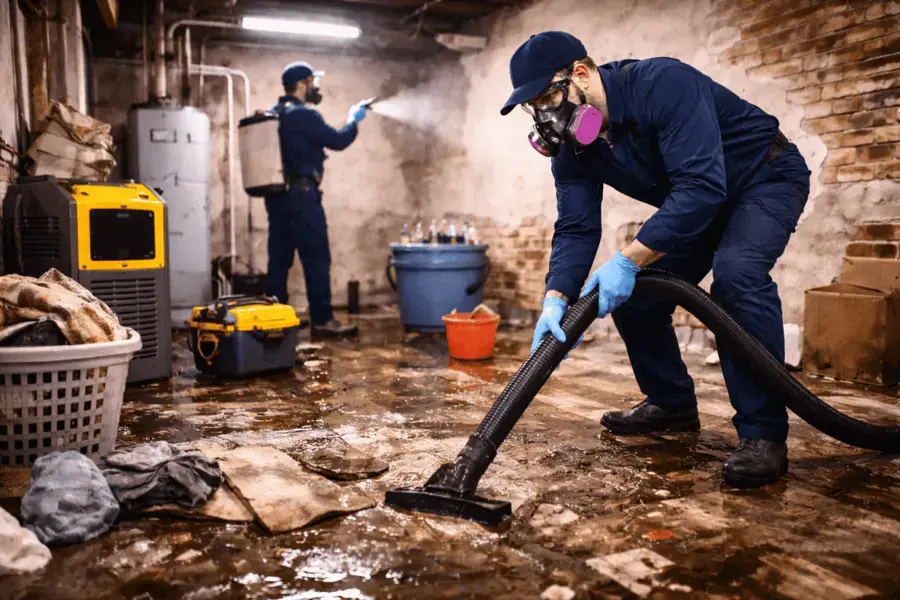
What to do first about sewage backup cleanup in Lake Dallas
- Keep everyone outMove people and pets away from the affected area and keep them out until it is cleaned.
- Stop using the drainsDo not flush toilets or run sinks and washers, since more water will only come back out.
- Do not clean it yourselfAvoid handling sewage-soaked material without protective gear, and skip the household vacuum.
- Photograph and callCapture the affected area and the source, then call for cleanup and a plumber to clear the blockage.
What does sewage backup cleanup cost in Lake Dallas, TX?
Sewage cleanup in Lake Dallas follows the Little Elm sewage backup ranges: how far the backup spread, which materials it soaked and how much has to be removed. Clearing the blockage is a plumbing cost, billed separately. Disposal of removed materials is part of the work.
A small backup, one room
- Containment set up
- Soaked materials removed
- Surfaces cleaned and treated
Backup across several rooms
- More materials removed
- Longer containment period
- Extended drying time
Large or long-standing loss
- Wide demolition
- Desiccant equipment
- Full documentation
These are typical ranges, never a quote. The water category, the square footage, the material class and how fast drying started set the real number. For a planning range on your own rooms, try the water damage cost calculator.
How sewage backup cleanup is handled in Lake Dallas
- 1
Contain and protect
The crew puts on respirators and suits and seals off the area with plastic so contamination stays out of clean rooms.
- 2
Extract and remove
Sewage is pumped out, and soaked carpet, pad, drywall and insulation are cut out and bagged for disposal.
- 3
Clean and treat
Hard surfaces and framing are cleaned and treated with an EPA-registered antimicrobial before any drying starts.
- 4
Dry and verify
Air movers and dehumidifiers dry what remains, and daily readings confirm the structure is dry before rebuilding.
How sewage backups start in Lake Dallas
LCMUA says its wastewater system is built to handle water, toilet paper and bodily fluids, and that anything else can block flow and cause backups. Its system includes 22 lift stations with 44 pumps and 625 manholes, and Upper Trinity Regional Water District operates the Lakeview Water Reclamation Plant in Lake Dallas.
Backups are unpleasant but common, and speed limits the spread. A backup that reaches carpet, drywall and cabinets within hours can seep farther than it first appears, so containment and removal begin before any drying equipment is set.
- Wipes or other items flushed down toilets
- Grease poured down kitchen drains
- A blockage in a pipe or drain
- A problem reported to LCMUA
The Category 3 protocol
Cleanup is built around protective gear, containment and removal. LCMUA keeps an on-call technician for after-hours wastewater backups, which covers the utility side, while the crew handles the damage inside. Related work is covered in storm flood cleanup and carpet water damage.
Sewage Backup Cleanup across Lake Dallas and nearby towns
Sewage cleanup covers Lake Dallas and ZIP 75065, including houses throughout town, Water's Edge condominiums and businesses between I-35 and the toll bridge, with Little Elm and the other Lewisville Lake towns.
The same service in nearby towns: Sewage Backup Cleanup in Lewisville, Sewage Backup Cleanup in The Colony, Sewage Backup Cleanup in Prosper.
Related water damage pages for Lake Dallas
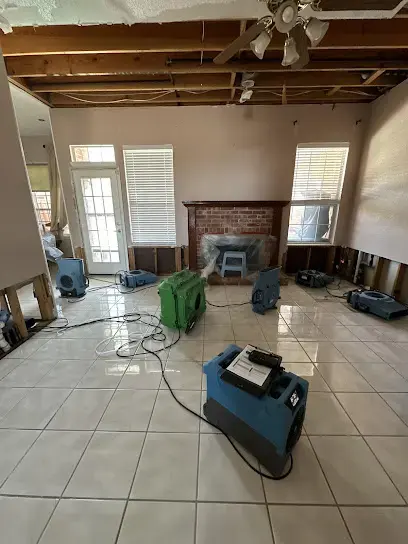 Water damage restoration in Lake DallasThe Lake Dallas page: local risks, ZIP codes and every service.Sewage Backup Cleanup in Little ElmThe main Little Elm page for this service.
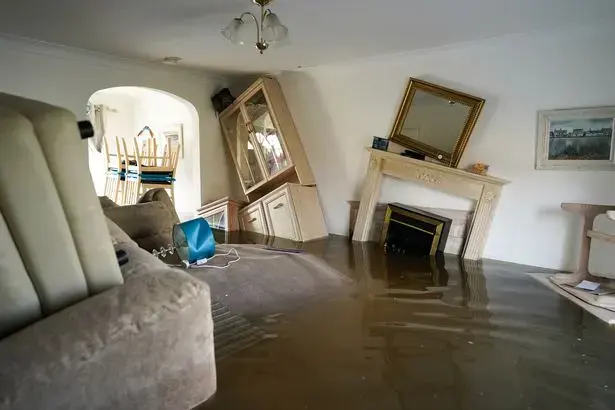 Storm and Flash Flood Cleanup in Lake DallasHeavy rain and high lake water moving indoors, handled as Category 2 or 3 and dried.
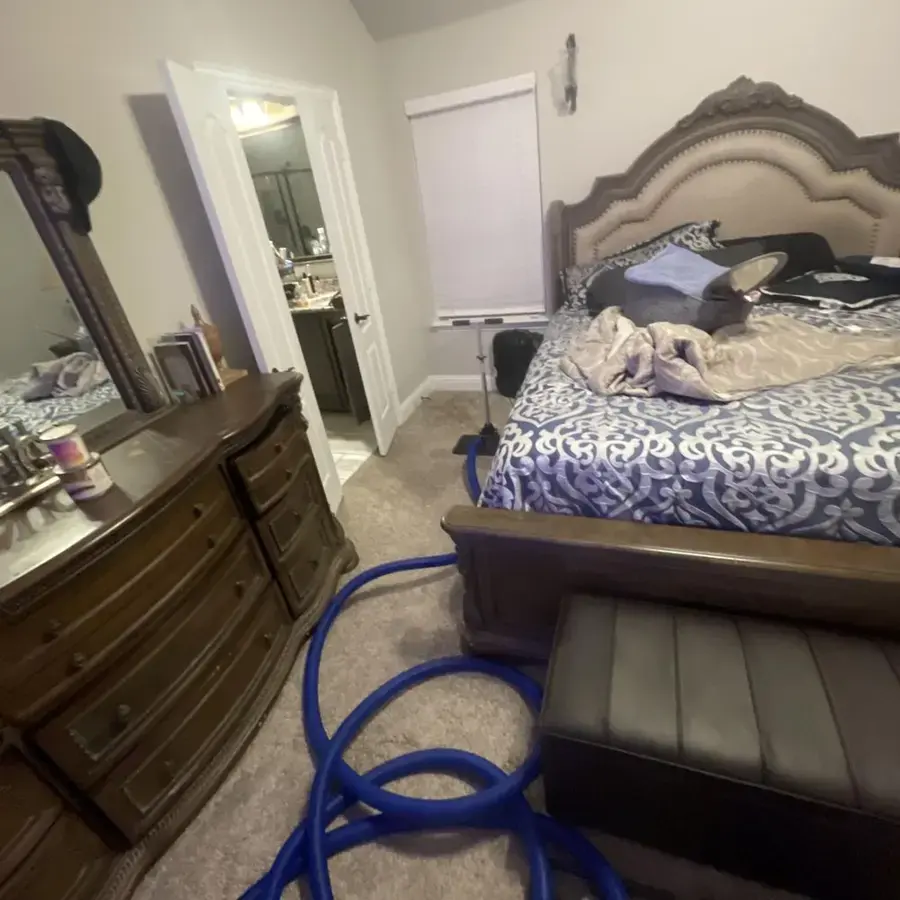 Carpet Water Damage in Lake DallasCarpet and pad extracted and dried in place, or lifted when the water category says so.
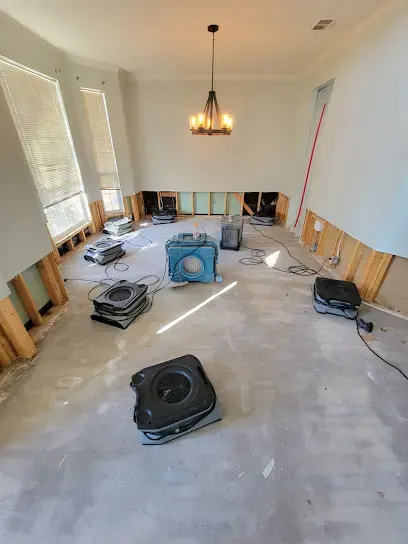 Structural Drying in Lake DallasFraming, shared walls and subfloors dried toward the S500 goal, following the moisture.
 Water Extraction in Lake DallasStanding water pumped out first, whether a fixture failed, a main broke or lake water came in.
Sewage Backup Cleanup questions in Lake Dallas, TX
Who should I call first for a sewage backup?
Call a restoration crew for the cleanup and a plumber for the blockage. LCMUA keeps an on-call technician for after-hours wastewater backups, so the utility is worth contacting too.
What can cause a backup?
LCMUA says anything beyond water, toilet paper and bodily fluids can block flow, so wipes and grease are common culprits. Blockages can also form in drains inside a building.
Why must carpet and drywall be removed?
Sewage carries bacteria that soak deep into porous materials, and drying does not make them safe again. Hard surfaces can be cleaned and treated instead.
Is it safe to stay in the house?
Keep people and pets out of the affected area until it is cleaned and treated. Clean rooms can stay in use if containment holds, and anyone with health concerns should ask a doctor.
Does insurance cover sewage backup?
Sewage backup often needs a separate endorsement on a homeowners policy. Coverage depends on your policy, so it is worth checking with your own insurer.
How long does sewage cleanup take?
Removal and treatment usually take a day or two, and drying takes several more. Equipment stays until readings meet the dry reference.
Sewage backup in Lake Dallas? Call for cleanup.
Crews in respirators and protective suits, with extraction gear and an antimicrobial treatment, cover Lake Dallas every day of the year, nights and weekends included.