When Lewisville Lake Rose in 2015: What It Means for The Colony and Lake Dallas Homes
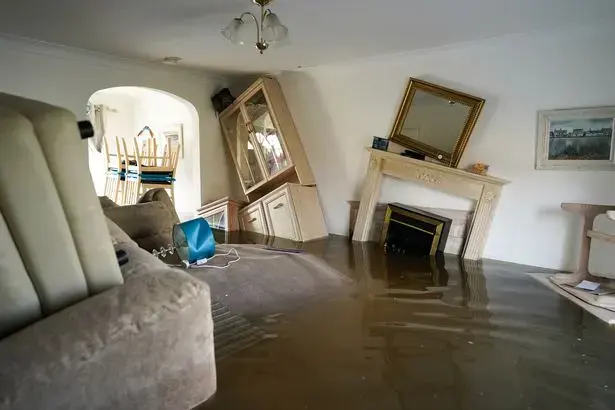
Lewisville Lake was built to hold back flood water, and in May 2015 it showed what that looks like from the shoreline.
Key takeaways
- On May 28, 2015, Lewisville Lake stood 12 feet above its conservation pool, and The Colony closed Stewart Creek Park and two nature trails.
- The lake peaked at 536.94 feet in May 2015, above the 532 foot top of its flood pool.
- Lake levels are managed by the U.S. Army Corps of Engineers, and a high lake is a different problem from a creek or street flood.
- Water inside a home after lake or runoff flooding is extracted first, then the structure is dried to a moisture reading.
- Only confirmed lake levels are used here. No claim is made about which lakeside homes took water.
What Lewisville Lake is built to do
Lewisville Lake is owned by the federal government and run by the U.S. Army Corps of Engineers, Fort Worth District. It serves water supply, flood control and recreation.
That flood control job is why lake levels move so much after big rain. The lake holds water that would otherwise run downstream.
The numbers that matter
The conservation pool sits at 522 feet. The flood pool top is 532 feet above sea level.
The Corps manages the land around the lake up to the 537 foot mark, which is why parks and shoreline trails close when the lake climbs.
Why one number is useful
The Colony notes that its conservation pool was raised from 515 to 522 feet in 1998, and that above 522 feet the Corps releases water and restricts lake access.
A reader who hears that the lake is above 522 feet knows the Corps is actively managing it.
May 2015 in The Colony
On May 28, 2015, Lewisville Lake stood 12 feet above its conservation pool. The Colony closed Stewart Creek Park and the Shoreline and Tribute Nature Trails.
During the spring 2015 flooding, water meter box lids in The Colony lifted and washed away. It is a small detail that shows how much water was moving.
Four years later, after a May wetter than any in the years between, the lake peaked at 529 feet in 2019.
- The lake was built for flood control and water supply, so a high lake is part of how the system is meant to work.
- Low roadside ditches, such as the one along East Lake Highlands Drive, also fill during heavy rain.
- The FEMA Flood Insurance Study for Denton County, revised June 19, 2020, covers The Colony and studied Office Creek, which flows into the lake in the southwest of the city.
May 2015 in Lake Dallas
Lake Dallas sits on the shore of Lewisville Lake, and the lake peaked at 536.94 feet in May 2015. That was above the top of the flood pool and close to the 537 foot mark the Corps manages.
Only the lake level is confirmed for that month. There is no confirmed record that any named neighborhood in Lake Dallas flooded, so none is named here.
Lake Cities Municipal Utility Authority says it is not responsible for storm drains in its member cities. The municipality handles those.
How lake and runoff water reaches a house
High lake water rarely comes through the front door like a river. It tends to arrive in several quieter ways, and the restoration team looks for each of them.
Understanding the path helps with the cleanup.
- Rising ground water seeping through a garage floor, slab edge or door threshold.
- Runoff from saturated yards and ditches that cannot drain because the lake is high.
- Backed up storm drains that push water toward low spots near homes.
- Sewer lift stations that struggle when ground and storm water overload the system.
What cleanup looks like after lake flooding
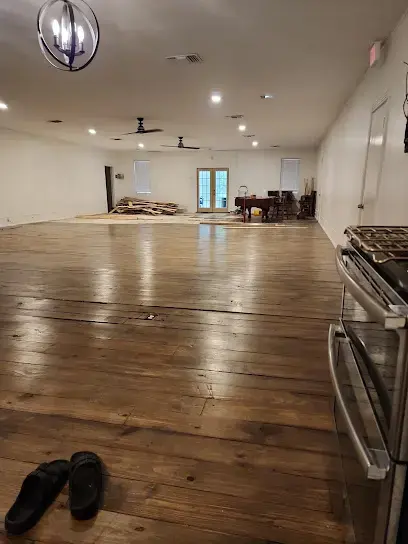
Water from a lake or from runoff is not clean. It carries soil, debris and bacteria, so the cleanup is stricter than for a plumbing leak.
Extraction comes first. A pump or truck mounted extractor removes standing water, and the team then pulls porous materials that soaked.
Extraction and removal
Carpet, pad, insulation at the base of walls and soaked drywall are usually removed. Hard surfaces are cleaned and disinfected.
The Colony water extraction page explains how the first step works.
Drying and checking
After removal, air movers and dehumidifiers dry the framing and the slab. The restoration team logs readings and keeps equipment on until the structure is dry.
See storm and flood cleanup in The Colony and storm and flood cleanup in Lake Dallas for the full process.
What a homeowner can do while the lake is high
Watching the lake level is useful, but acting early helps more. A few steps cost little and save a lot of drying later.
- Move valuables and electronics off floors and low shelves.
- Check that downspouts and yard drains are clear and pointed away from the foundation.
- Keep photos of the home before and after any water event.
- Ask the insurer whether a flood policy is in place, since standard policies often leave flood out.
Reading the lake level like a homeowner
Lake level reports are public, and they are worth watching. A few numbers explain most of what happens around Lewisville Lake.
At 522 feet the lake is at its conservation pool. Above that, the Corps of Engineers releases water and restricts lake access, according to The Colony.
At 532 feet the flood pool is full. The Corps manages the land around the lake up to 537 feet, so anything built above that is outside the managed shoreline.
- 522 feet: conservation pool, the normal full level.
- 532 feet: the top of the flood pool.
- 537 feet: the edge of the land the Corps manages.
- 536.94 feet: the May 2015 peak, just short of that edge.
- 529 feet: the 2019 peak, inside the flood pool.
Questions to ask after lake or runoff flooding
A homeowner who has water inside after a high lake event can ask the restoration team a few direct questions. The answers show how careful the plan is.
- How will the water be classified, and what does that mean for carpet and drywall?
- What moisture readings will be logged, and how often?
- Which materials are removed, and which are dried in place?
- When will equipment come out, and what reading signals that the structure is dry?
Questions
How high did Lewisville Lake get in May 2015?
It peaked at 536.94 feet in May 2015, above the 532 foot top of its flood pool and just under the 537 foot mark the Corps of Engineers manages.
What did The Colony close in May 2015?
On May 28, 2015, with the lake 12 feet above conservation pool, The Colony closed Stewart Creek Park and the Shoreline and Tribute Nature Trails.
Did the lake flood homes in Lake Dallas in 2015?
Only the lake level is confirmed for that month. No source in the local record names a flooded Lake Dallas neighborhood.
Is lake water the same as a plumbing leak?
No. Lake and runoff water carries soil and bacteria, so porous materials that soaked are generally removed and the area is cleaned before drying.
Who handles storm drains in Lake Dallas?
Lake Cities Municipal Utility Authority says storm drains in its member cities are handled by the municipality, not by the utility.
What happened to the lake in 2019?
After a very wet May, Lewisville Lake peaked at 529 feet in 2019, inside the flood pool.