Storm and Flash Flood Cleanup in The Colony, TX
Denton County averages about 37.79 inches of rain a year, and a downpour can fill low roadside ditches such as the one along East Lake Highlands Drive. Floodwater that reaches the inside is treated as contaminated. The mitigation team pumps it out, removes what it touched and dries the rest.
(888) 527-9134Floodwater inside? Ask about the cleanup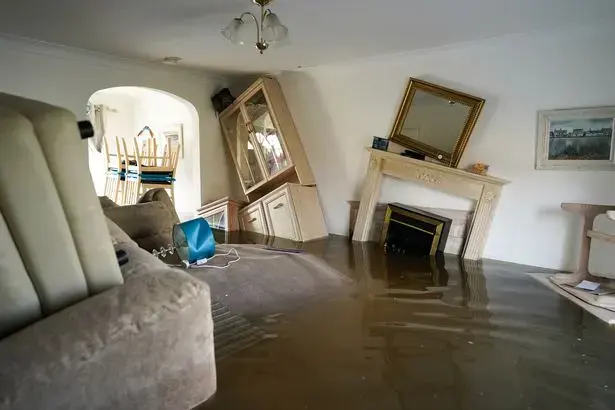
What to do first about storm and flash flood cleanup in The Colony
- Put safety firstKeep out of water near outlets and appliances, and switch power off only from dry footing at a panel you can reach safely.
- Keep kids and pets outFloodwater can carry sewage, fuel and debris from the street.
- Mark the high waterPhotograph the high-water mark on walls and every ruined item before any cleanup begins.
- Ask earlyAfter a widespread storm, schedules fill quickly, so ask for help the moment it is safe to do so.
What does storm and flash flood cleanup cost in The Colony, TX?
A flood cleanup bill in The Colony depends on how deep the water got, how many rooms it entered and how much must be removed, as with the Little Elm flood cleanup ranges. Removal and sanitizing come before any drying, and the scope is set at the walkthrough.
Garage or one room
- Water and mud pumped out
- Flood cuts made
- Surfaces treated
Several rooms
- Floors and drywall hauled off
- Barriers up
- Meter readings each day
Whole ground floor
- Complete mud-out
- Desiccant drying
- Full paperwork for the claim
These are typical ranges, never a quote. The water category, the square footage, the material class and how fast drying started set the real number. For a planning range on your own rooms, try the water damage cost calculator.
How storm and flash flood cleanup is handled in The Colony
- 1
Make the house safe
The crew checks power, sets up containment and puts on protective gear before going near the water, and sorts out where the mud and debris will go.
- 2
Pump and clear
Water and mud are extracted, and soaked flooring, insulation and drywall are pulled out of the house.
- 3
Clean and treat
Every exposed surface is washed and sprayed with an EPA-registered antimicrobial that stays for its label time.
- 4
Dry the structure
Air movers and dehumidifiers work on framing and floors, with each day's readings added to the file until the goal is reached.
Where water gathers around The Colony
The city runs a Storm Water Utility, and a crew maintains drainage easements, yet roadside ditches still fill in heavy rain. Office Creek flows into Lewisville Lake in the southwest of the city, and a FEMA study revised June 19, 2020 covers The Colony. Above 522 feet the Corps releases water and restricts lake access.
In spring 2015, water meter box lids lifted and washed away during the flooding. Water arriving from outside carries soil and contaminants, which is why it is handled as Category 3 from the first minute.
- Water pushing under exterior doors in a downpour
- A garage that floods from its driveway
- Yard runoff that backs up against the house
- Low ground near creeks and the lake
How the work is handled
The extraction crew clears water and mud, the mitigation team cuts out wet drywall and pulls flooring, and surfaces are treated before any equipment starts drying. If the water came up a drain instead, see sewage backup cleanup; the first pool of water is covered under water extraction.
Storm and Flash Flood Cleanup across The Colony and nearby towns
Storm cleanup covers The Colony in ZIP 75056, from Stewart Peninsula, Hidden Cove and The Tribute to Austin Ranch, Eastvale, Ridgepointe, Legend Crest and The Legends, reaching Little Elm and the shoreline too.
The same service in nearby towns: Storm and Flash Flood Cleanup in Lewisville, Storm and Flash Flood Cleanup in Lake Dallas, Storm and Flash Flood Cleanup in Prosper.
Related water damage pages for The Colony
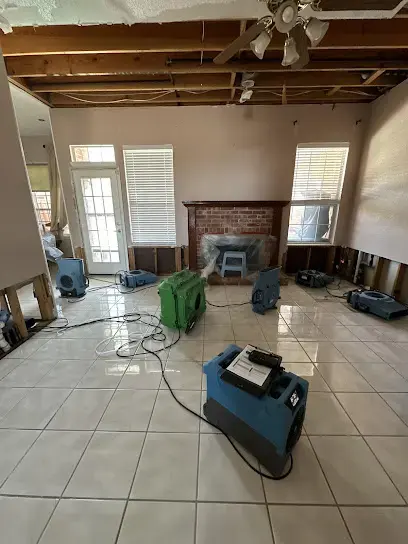 Water damage restoration in The ColonyThe The Colony page: local risks, ZIP codes and every service.Storm and Flash Flood Cleanup in Little ElmThe main Little Elm page for this service.
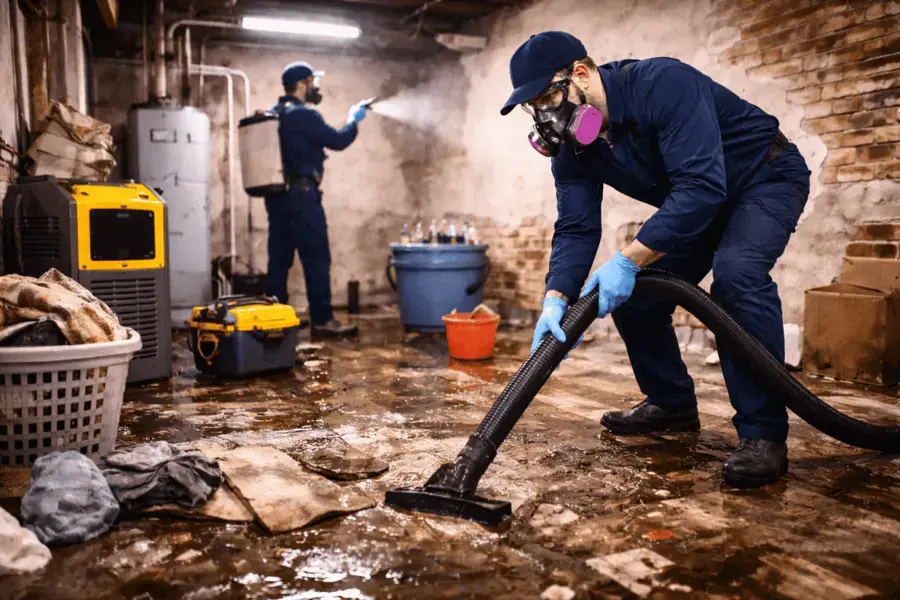 Sewage Backup Cleanup in The ColonyCategory 3 sewage handled with containment, removal of soaked materials and an antimicrobial treatment.
 Water Extraction in The ColonyStanding water pulled out fast, whether it came from a supply line or high Lewisville Lake water.
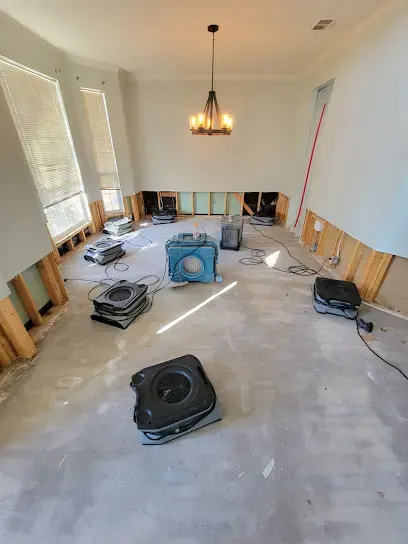 Structural Drying in The ColonyFraming and subfloors in the 1970s and 1980s homes dried to the IICRC S500 goal.
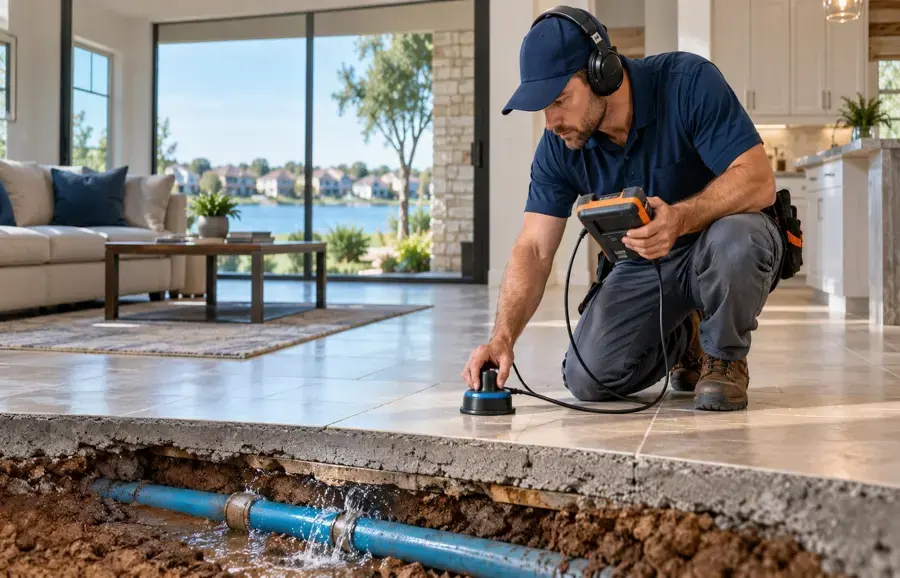 Slab Leak Water Damage in The ColonyHidden leaks under the floor traced with meters, then the wet flooring and walls dried out.
Storm and Flash Flood Cleanup questions in The Colony, TX
Is all floodwater Category 3?
Water rising from outside is treated as Category 3 because it carries soil, bacteria and chemicals, which is why porous materials it reached are discarded.
Will a homeowners policy pay for a flood?
Standard policies usually leave out rising surface water, which flood insurance covers. Wind-driven rain through a roof is handled differently, so your insurer is the one to ask.
What does a flood cut mean?
It means taking drywall off a set height above the water mark, so the wall cavity behind can be cleaned, treated and dried.
Should I begin cleaning myself?
Photograph everything first, wear boots and gloves, and keep power off in wet areas. Pulling soaked drywall and sanitizing goes better with protective gear and proper tools.
How long does drying take after a flood?
Once wet materials are out, framing and floors often dry within several days, depending on the weather, the season and how long the water sat in the house.
Should the house stay closed?
Keep it secure and run the AC if that is safe. The drying team decides how to handle airflow once the equipment is set, so doors and windows stay shut unless told otherwise.
Flooded in The Colony? Start the cleanup.
The drying team works all year and brings pumps, protective gear and dehumidifiers to remove floodwater and dry what remains of the house.