Flash Flood Alerts in Prosper and Cleanup When Storm Water Gets In
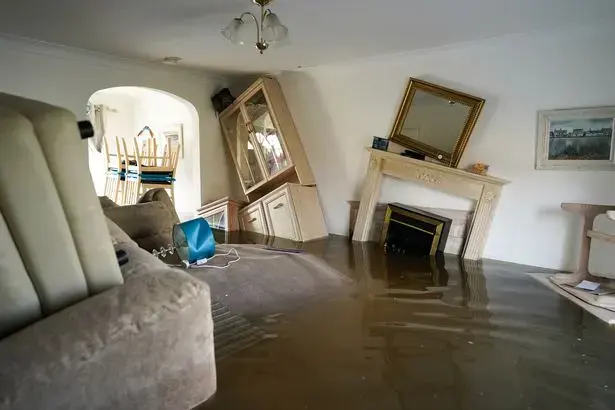
Prosper is a fast growing town, and flood risk here is rated as minor, but a rating does not help a homeowner whose floor is wet.
Key takeaways
- First Street, a flood risk model, rates Prosper flood risk as minor, with 521 properties (3.5 percent) at risk over the next 30 years.
- Most Prosper residents receive automatic Wireless Emergency Alerts for flash floods and can opt in to Rave Alerts.
- Town ordinances refer to the 100 year floodplain of the Doe Branch Creek Watershed, and Wilson Creek runs through Whitley Place.
- If storm water gets inside, extraction comes first, then structural drying of newer framing and finishes.
- No street or neighborhood is named as flooding here, because none is confirmed.
What the flood picture looks like in Prosper
Prosper sits mostly in Collin County, with a smaller part in Denton County. The 2020 Census counted 30,174 residents, up from 9,423 in 2010.
That growth means most homes are new, and drainage in newer neighborhoods is built to handle storms. Heavy rain can still overwhelm it.
Creeks and floodplains
Prosper Ordinance No. 15-51 refers to the 100 year floodplain of the Doe Branch Creek Watershed as shown on Town approved FEMA maps. Wilson Creek is the center of the Whitley Place community.
The pack of local sources does not say which streets sit inside a flood hazard area, so none are named here.
The minor rating, in plain terms
First Street rates Prosper flood risk as minor, with 521 properties, or 3.5 percent, at risk over the next 30 years.
Minor is not zero. A small share of properties still face risk, and a flash flood does not need a high rating to enter a house.
How Prosper warns and responds
Most Prosper residents get automatic Wireless Emergency Alerts for flash floods. They can also opt in to Rave Alerts for more detail.
The Town also keeps drainage working. The Streets Division cleans drainage ditches and culverts in the public right of way, and Town crews clear major drainage channels.
- Wireless Emergency Alerts arrive automatically for most residents.
- Rave Alerts are an opt in service for added warnings.
- Ditches and culverts in the public right of way are cleaned by the Streets Division.
- Water and wastewater staff are on call around the clock through non emergency dispatch.
What to do when storm water is already inside
Alerts and ditches do their job, and still some homes take on water. These are the first moves when the floor is wet.
- Stay out of any room with standing water until the power in that room is off or safe.
- Do not assume the water is clean. Storm and runoff water carries soil and bacteria.
- Move electronics and valuables to dry, high ground.
- Photograph the water level, the floors and any damaged contents before moving anything.
- Call for extraction before the water has time to soak into drywall and subfloors.
Extraction first, then drying
The first step is getting the water out. A truck mounted extractor or portable pump removes standing water far faster than towels or a wet vacuum.
The Prosper water extraction page explains how crews pull water from carpet, pad and hard floors.
Why newer homes dry differently
The median year a Prosper home was built is 2014. About 6,204 housing units went up from 2010 to 2019, and about 2,393 in 2020 or later.
Newer homes are tightly built. Water that gets into a wall cavity or a subfloor has fewer ways to escape, so drying has to be deliberate.
Removal and disinfection
Because storm water carries contaminants, carpet pad, insulation and soaked drywall near the floor are generally removed. Hard surfaces are cleaned and disinfected.
The storm and flood cleanup in Prosper page covers that sorting.

Drying tight framing and finishes
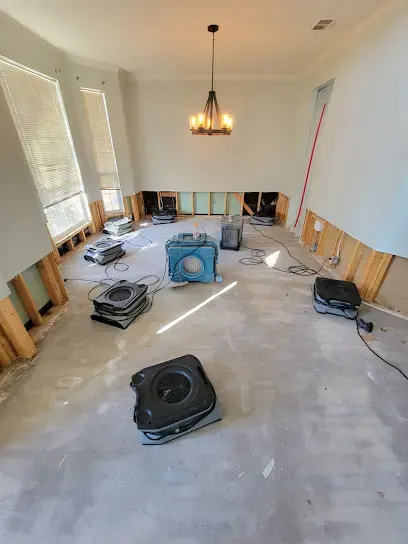
After extraction and removal, air movers and dehumidifiers run until readings show the framing and subfloor are dry.
The restoration team logs readings at each visit, since a wall that feels dry can still hold moisture inside.
- Moisture readings are taken in studs, bottom plates and subfloors.
- Cabinets and baseboards are checked, since water wicks up behind them.
- Equipment stays running until readings reach a normal range.
How Prosper moves water and sewage
The Town of Prosper buys treated water from the North Texas Municipal Water District. It stores treated water in ground storage tanks and pumps it to an elevated water tower before it flows through pipes to homes.
The Wastewater Division collects wastewater and sends it to treatment plants run by the North Texas Municipal Water District and the Upper Trinity Regional Water District. It also maintains sewer pipes, manholes and lift stations.
Water and wastewater staff are on call through non emergency dispatch, and Prosper reports pipe breaks through Prosper Dispatch or 911.
- A storm can overload sewer pipes, so a wet floor with a sewage smell is a different problem from clean rain water.
- A pipe break in the street is reported to the Town, while a broken pipe inside the house is a plumber's job.
- Keep the Town's dispatch contact in a handy place before storm season.
Owners and renters in a growing town
Prosper has about 11,921 housing units, including 10,583 detached single family homes. About 9,874 households are owner occupied and about 1,365 are renter occupied.
That mix changes who makes the call. An owner can start extraction and talk to the insurer directly.
A renter should notify the landlord or manager first and keep records of what was damaged.
Getting ready before the next storm
A little preparation makes a flash flood less costly. The steps are simple and cheap.
- Sign up for Rave Alerts in addition to the automatic Wireless Emergency Alerts.
- Keep downspouts and the area around ground level drains clear.
- Store keepsakes and electronics above floor level.
- Photograph each room now, so there is a before record.
Insurance and who to call
A homeowner should ask the insurer early whether flood damage is covered, since standard homeowners policies often exclude it.
For a problem with the water supply or sewer pipes at home, Prosper Public Works checks whether the leak or blockage is in a Town pipe. Otherwise, a plumber is the next call.
The Prosper hub lists every service for the town.
Questions
Is Prosper at risk of flash flooding?
First Street rates Prosper flood risk as minor, with 521 properties (3.5 percent) at risk over the next 30 years. Flash floods can still occur.
How do Prosper residents get flood warnings?
Most residents get automatic Wireless Emergency Alerts for flash floods, and they can opt in to Rave Alerts.
Which Prosper creek is named in the Town ordinances?
Ordinance No. 15-51 refers to the 100 year floodplain of the Doe Branch Creek Watershed. Wilson Creek runs through Whitley Place.
Does storm water in a house need special cleanup?
Yes. It carries soil and bacteria, so porous materials near the floor are usually removed and hard surfaces are cleaned and disinfected.
Who handles a broken pipe at home in Prosper?
Prosper Public Works checks whether the problem is in a Town pipe. If it is not, a plumber handles it.
Do renters in Prosper handle flood cleanup differently?
Renters should notify the landlord or property manager first, photograph the damage and keep records. The restoration team still starts extraction and drying.