Timber Creek Floods in Lewisville: What to Do on Day One After Water Gets In
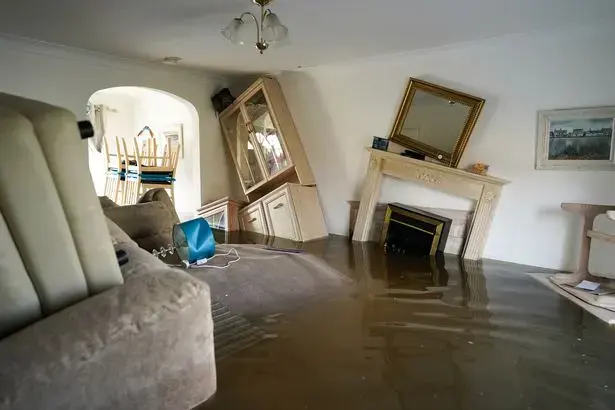
Timber Creek runs through Lewisville, and in heavy rain it can overflow its banks and put water into the homes around it.
Key takeaways
- The City of Lewisville says Timber Creek can overflow in heavy rain, and that the Timber Creek Acres subdivision has had many flooding problems over the years.
- Creek water carries mud and contamination, so it is treated as unsafe water, not as a clean plumbing leak.
- Standard homeowners insurance does not cover flood losses, per the City of Lewisville, so photos and a flood policy question matter early.
- Pump out standing water first, then dry framing and subfloors to a moisture reading before anything is rebuilt.
- Day one is about safety, documentation and starting extraction, not about deciding what to throw away.
Why Timber Creek matters to Lewisville homeowners
Lewisville is a city of 111,822 people in the 2020 Census, and water covers about 14 percent of its area. Lewisville Lake, the Elm Fork of the Trinity River, Prairie Creek and Timber Creek all sit inside the city.
Timber Creek is the one with a documented record of reaching houses. The City of Lewisville notes that during heavy rains it can overflow its banks and, on rare occasions, flood surrounding homes.
The city also says the Timber Creek Acres subdivision, along the creek, has had many flooding problems over the years.
September 2010
On September 7 and 8, 2010, flash flooding followed rain of up to 12 inches. Flood water entered homes along Timbercreek Drive, and about 30 homes had some flood damage.
That event is the clearest local example of how fast a dry street turns into a wet living room.
June 2015
On June 19 and 20, 2015, rising Timber Creek water forced residents of the Creekside Mobile Home Park to evacuate overnight.
It is a reminder that creek flooding is not limited to one housing type. Houses, rentals and manufactured homes all share the risk when the creek rises.
The first hour: safety before cleanup
After a flood the first priority is people, not belongings. Water that came from a creek can hide a lot of hazards, and the house may not be safe to walk through right away.
These are the first moves for a Lewisville homeowner whose home took on Timber Creek water:
- Stay out until the water outside has stopped rising and the area is safe to enter.
- Turn off electricity at the breaker only if the panel is dry and can be reached without standing in water. Otherwise, wait for the utility or an electrician.
- Do not walk through standing water that might touch outlets, appliances or wiring.
- Keep children and pets out of the flooded rooms, since creek water carries mud, debris and contamination.
- Wear boots and gloves if entering is unavoidable.
Document everything before it moves
The City of Lewisville points out that standard homeowners insurance policies do not cover flood losses. That makes records more important, not less.
Take photos and video of the high water marks on the walls, the damaged furniture, the floors and any belongings before they are moved.
Write down the date and time the water came in, and how deep it got in each room.
- Photograph high water marks on walls, cabinets and appliances.
- Keep damaged items that can be inspected until an adjuster or the insurer says otherwise.
- Save receipts for any emergency purchases.
- Ask the insurer, early, which policy covers the loss, since a flood policy and a homeowners policy treat water differently.
Pumping out the water
Once the house is safe to enter, the first job is getting the water out. Creek flood water often arrives with silt, which settles into carpet, cabinets and wall cavities.
A truck mounted extractor or portable pump moves the standing water quickly. The sooner it leaves, the less time the materials have to soak.
The Lewisville water extraction page explains how that first step works. The wider storm and flood cleanup page covers what comes next.
What gets removed right away
Porous materials that sat in creek water are usually removed rather than saved. That commonly includes carpet pad, insulation at the bottom of walls and soaked drywall.
Hard surfaces such as tile and sealed concrete can usually be cleaned and dried.
Why the mud matters
Silt traps moisture and bacteria against the materials it covers. It has to be washed away and the area disinfected before drying will mean much.
Drying the structure
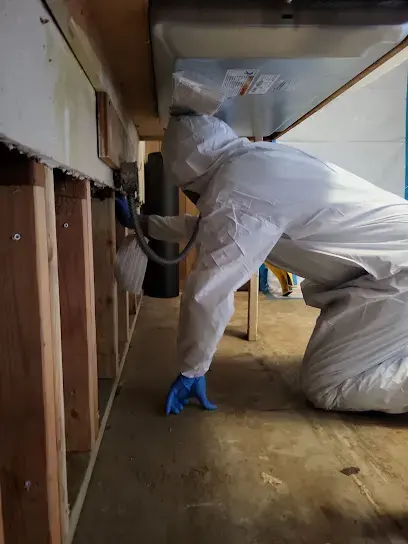
After the water is out, the house still holds a lot of moisture. Framing, subfloors, bottom plates and wall cavities need to be dried to a measured reading, not a guess.
Air movers and dehumidifiers run for days while the restoration team checks readings at each visit. The goal is a dry structure that can be rebuilt without trapping moisture.
Structural drying in Lewisville follows the water, which means checking spots that look dry on the surface.
- Moisture readings in studs, bottom plates and subfloors are logged at every visit.
- Wall cavities are opened where readings stay high.
- Equipment stays in place until readings return to a normal range.
Rebuilding questions can wait
Day one is not the time to decide how much of the house is lost. Many homeowners try to save everything or toss everything, and neither helps.
A restoration team sorts materials into what can be dried, what must be removed and what needs more testing. That sort is easier once the water is out and the readings are in.
Little Elm homeowners near Lewisville Lake can read how the Little Elm storm and flood cleanup process works for lakeside high water, and the Lewisville hub lists every service for the city.
Water and sewer service after a flood
The City of Lewisville provides retail water and sewer service and runs its own water treatment plant and wastewater treatment plant. That means a storm that overloads drains is a city matter as well as a home matter.
Inside the home, though, the city has a clear rule. Under its service rules, trouble in the pipe between the meter and the house is the customer's responsibility.
After a flood, that split matters. A homeowner who finds a broken supply pipe or a sewage odor should tell the city about the public side and bring in a plumber for the private side.
- Water that smells like sewage points to a drain or sewer problem, not just creek water.
- Soil and silt can clog floor drains and sump pumps.
- Keep the water meter reading and a note of what was shut off, since the utility may ask.
Questions
Is creek flood water treated differently from a plumbing leak?
Yes. Creek water carries mud and contamination, so porous materials that soaked in it are usually removed, and the area is cleaned and disinfected before drying.
Does homeowners insurance cover Timber Creek flooding?
The City of Lewisville says standard homeowners insurance does not cover flood losses. A homeowner should ask the insurer which policy applies and keep detailed photos.
Which Lewisville areas have had Timber Creek flooding?
The city names the Timber Creek Acres subdivision as having had many flooding problems, and flood water reached homes along Timbercreek Drive in September 2010.
Should electricity be turned off after a flood?
Only if the panel is dry and can be reached without standing in water. Otherwise, the utility or an electrician should handle it.
When does drying start?
After the standing water is pumped out and the unsafe materials are removed. The restoration team then logs moisture readings until the structure is dry.
Who is responsible for the water pipe between the meter and the house in Lewisville?
Under the City of Lewisville service rules, trouble in the pipe between the meter and the house is the customer's responsibility.